
Trusted Voices: Finding health information you can trust when you have cancer
Cancer can feel scary. When people are scared, they often look for hope. That is normal. Learn more about how to spot misinformation.
The internet is full of information. Some of it is true and has been checked. Some of it has not – this is misinformation. Videos and posts can be seen by thousands, or even millions, of people. That does not make them right.
How do we know what works?
Doctors and scientists test medicines very carefully. They check that a medicine really helps people. They also check that it is safe. This is called evidence. The medicines used in cancer care have passed these tests.
Why does it matter where a medicine comes from?
Medicines from places that are not checked can be risky. Even a medicine that is safe for something else can be harmful when someone has cancer. Some medicines can also stop cancer treatment from working as well.
Macmillan’s chief doctor says that doctors know many ways these untested medicines can cause harm. They have not seen one way they can help.
How can I find trusted health information?
- Check who produced the information. Look for information from organisations like the NHS, large charities and companies with a good reputation.
- Is it trying to sell you something? 8 in 10 “cancer cures” on TikTok are fake. Avoid fakes. Only buy prescription medications like weight loss drugs from a registered pharmacy.
- Look for a publication date. Medical advice changes as research advances so make sure your information is up to date.
- Do not trust posts just because a social media channel has lots of likes and followers. Who sent you the link? Just because a friend has shared something does not mean it is true. Do not believe everything you hear or see.
- Check for the PIF TICK trust mark. It lets you know information is based on research evidence, up-to-date and easy to use and understand. You can use our list of Trusted Information Creators.
- If you are unsure, always check with a health professional.
See more
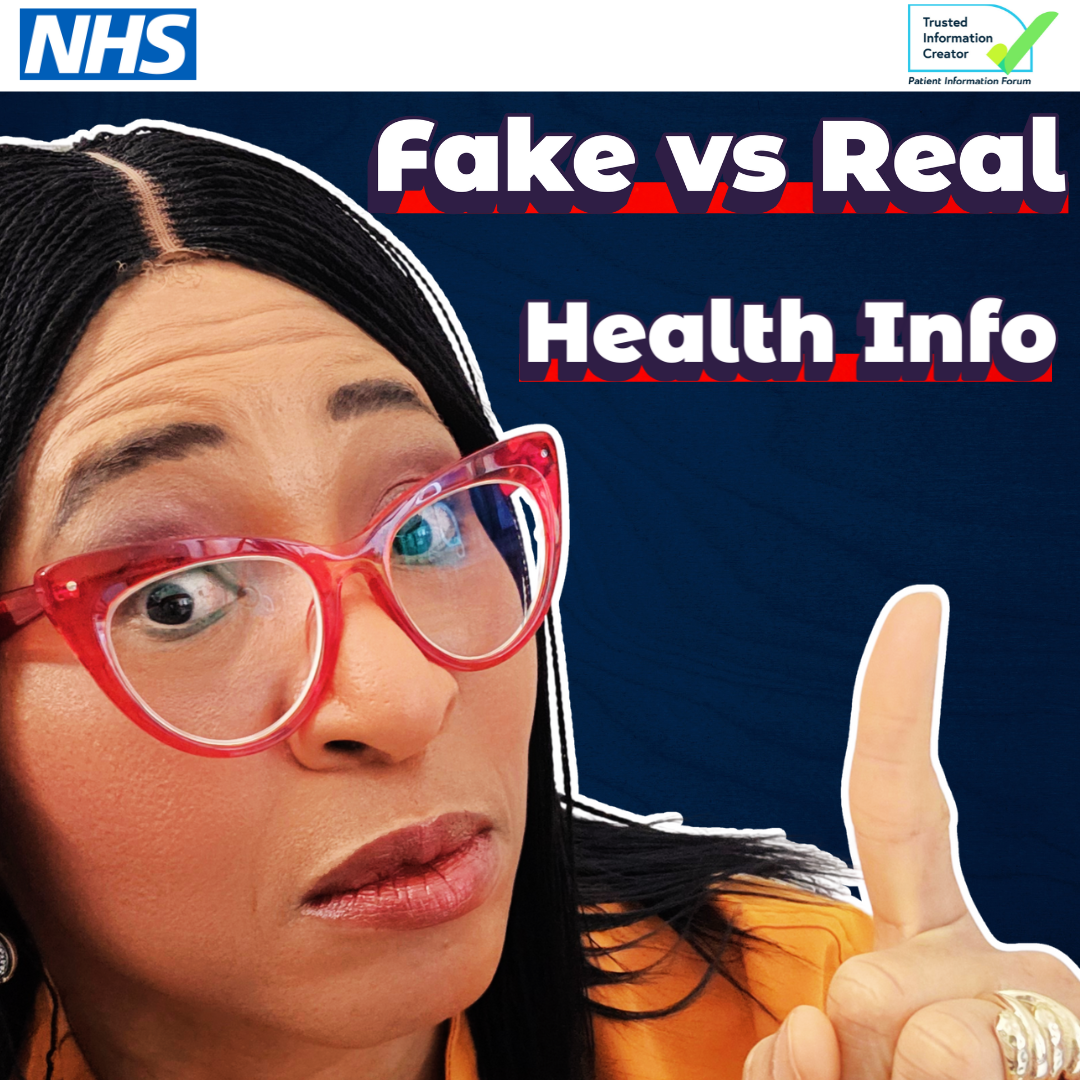
New PIF video with NHS England on misinformation
We have made a new video in partnership with NHS England and Dr Sylvia Kama-Kieghe, helping you to spot misinformation and to find information you can trust online.

New trusted resource collections for Health Information Week
Our five new collections on pregnancy, heart health, lung health, early signs of cancer and severe mental illness have been put together with NHS England.
Improved PIF TICK website offers health information you can trust
The updated PIF TICK website helps users find Trusted Information Creators who have all earned the PIF TICK, which is the UK’s only quality mark for health information.